- Oct 29, 2026
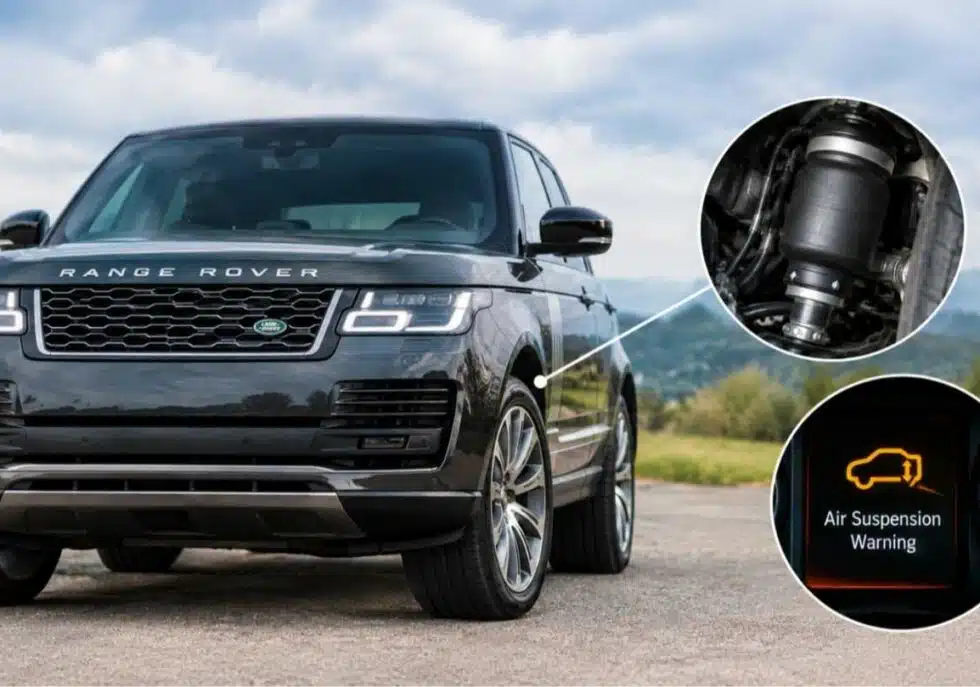
A Range Rover’s air suspension is designed to deliver a controlled, comfortable ride while maintaining the correct vehicle height under different driving conditions. When the system develops a fault, the warning signs can range from a vehicle sitting lower on one side to unusual noises, slow height adjustment, or repeated suspension warnings on the dashboard.
The important question is not simply whether the air suspension has a problem. It is which component has actually failed or worn out.
Replacing the wrong part can add unnecessary cost without solving the underlying issue. Understanding the symptoms can help Range Rover owners identify where the problem may be and choose the right suspension component for inspection and replacement.
When the Vehicle Sits Lower Than Normal
One of the most noticeable signs of an air suspension problem is an unusual change in ride height.
If your Range Rover is sitting lower than it normally does, especially after being parked for several hours, the air suspension system may not be maintaining pressure correctly.
Lower on one side
If one corner appears noticeably lower than the others, the problem may be associated with that particular suspension assembly. A leak in the air spring or a related connection can allow pressure to escape while the vehicle is parked.
This does not automatically mean the air spring is the only possible cause. Air lines, fittings and other components should also be checked before ordering a replacement.
The entire vehicle sits low
If the whole vehicle appears lower than usual, the issue may involve the system’s ability to build or maintain air pressure. The compressor, air supply system, valves or other components may need inspection.
This is why replacing an air spring without proper diagnosis can sometimes fail to resolve the problem.
A Corner Drops After Parking
Another useful clue is when the vehicle becomes lower.
If the Range Rover looks normal immediately after driving but one corner gradually drops after being parked, a slow air leak is worth investigating.
The affected component could include:
- Air spring
- Air line
- Air fitting or connection
- Valve-related components
The location of the height change can help narrow the diagnosis, but a proper inspection is still necessary before selecting the replacement part.
The Compressor Runs More Often
The compressor is responsible for supplying air pressure to the suspension system. If it begins running more frequently than usual or seems to operate for longer periods, the system may be working harder to maintain the required pressure.
One possible reason is an air leak elsewhere in the system.
For example, if an air spring is losing pressure gradually, the compressor may repeatedly compensate for that loss. In such a situation, replacing the compressor alone may not address the original problem.
What this symptom can tell you
Frequent compressor operation should therefore be treated as a diagnostic clue rather than proof of compressor failure.
A technician should check the complete air suspension system, including the air springs and air supply components, before deciding which part needs replacement.
The Vehicle Takes Too Long to Change Height
Range Rover models equipped with adjustable air suspension should change between available height settings within the normal operating range.
If the vehicle becomes unusually slow to raise or lower, several parts may need attention.
Possible causes can include:
- Compressor performance problems
- Air leaks
- Valve block issues
- Restricted or damaged air lines
- Sensor-related faults
A slow height adjustment by itself does not identify one specific failed component. It indicates that the system should be checked rather than parts replaced based on the symptom alone.
Suspension Warning Messages Keep Appearing
A dashboard suspension warning should never be ignored, particularly when it appears repeatedly.
Modern Range Rover suspension systems use electronic controls and sensors to monitor vehicle height and system operation. A warning can therefore be related to an electrical or control issue as well as a mechanical or air-pressure problem.
Don’t assume the warning means a new air spring
This is one of the most common mistakes when dealing with suspension problems.
A diagnostic scan can help identify stored faults and narrow down the affected area. Physical inspection is equally important because an electronic warning may appear alongside a mechanical issue.
The goal should be to identify the actual failed component, not simply replace the most expensive part associated with the suspension system.
When the Ride Becomes Uneven or Uncomfortable
A Range Rover is expected to provide a smooth and controlled ride. If the vehicle suddenly feels harsher, unstable or unusually bouncy, the suspension system may require attention.
However, air suspension is not the only part that affects ride quality.
Depending on the vehicle and the symptoms, inspection may also need to include:
- Shock absorbers
- Suspension arms
- Bushings
- Air springs
- Wheel and tyre condition
- Alignment-related components
This distinction matters because replacing an air suspension component will not necessarily correct a problem caused by another worn suspension part.
Strange Sounds Can Help Narrow the Problem
Unusual noises are another useful warning sign.
A compressor that sounds different from normal, repeatedly starts and stops, or appears to be struggling should be inspected. Similarly, knocking or clunking noises from a suspension corner may point toward mechanical suspension components rather than the air spring itself.
The sound’s location, timing and relationship to vehicle movement can help a technician determine where to look.
Avoid diagnosing the part based solely on the noise. Suspension components work together, and similar symptoms can have different causes.
Air Spring, Compressor or Valve: What Could Be Wrong?
Understanding the role of the major components makes the symptoms easier to interpret.
Air Springs
Air springs support the vehicle using compressed air and help maintain ride height. Signs of a possible problem include a vehicle lowering at a particular corner or losing height after being parked.
Compressor
The compressor supplies air pressure to the system. Excessive running, difficulty building pressure or slow height adjustment can indicate a compressor-related issue, although an underlying air leak can create similar symptoms.
Valve Components
Valves control how air is distributed within the suspension system. A fault here can affect how the vehicle raises, lowers or maintains its height.
Air Lines and Connections
Damaged lines or leaking connections can allow air pressure to escape. These issues can sometimes produce symptoms that appear to be caused by a larger suspension component.
Height Sensors
Electronic sensors help monitor the vehicle’s position and provide information to the suspension control system. A sensor fault can result in incorrect height readings or suspension warning messages.
The key point is simple: the same visible symptom can come from different components.
Why Replacing Parts Without Diagnosis Can Cost More
Air suspension problems can become expensive when components are replaced unnecessarily.
For example, if a vehicle is repeatedly losing height because of an air leak, replacing a compressor without addressing the leak may leave the original problem unresolved. Similarly, replacing an air spring when the actual issue is a sensor or valve-related fault may not solve the warning.
A proper diagnosis should consider:
- Where the vehicle is sitting low
- Whether the problem occurs while driving or parked
- How quickly the vehicle loses height
- Whether the compressor is running excessively
- Whether warning messages are present
- Whether there are unusual suspension noises
- Whether other suspension components show visible wear
This approach makes it easier to identify the component that actually requires attention.
Choosing the Right Replacement Part
Once the faulty component has been identified, correct fitment becomes the next priority.
Range Rover parts can vary according to model, generation, year, engine specification and suspension configuration. The correct part should therefore be confirmed using the vehicle’s details and, where applicable, the existing part number or VIN.
Quality also matters. Genuine parts and reputable aftermarket alternatives can both be considered depending on the vehicle, budget and repair requirements.
For older Range Rover models, used or reconditioned components may also be considered where appropriate, but their condition and compatibility should be carefully verified before installation.
When Should You Stop Ignoring the Problem?
An air suspension fault should not be treated as a cosmetic issue.
If the vehicle is sitting significantly lower than normal, handling feels abnormal, a warning remains active, or the suspension cannot maintain the correct height, professional inspection should not be delayed.
Continuing to drive with a developing suspension problem can affect ride stability and may place additional strain on other components.
Early diagnosis can also prevent the situation from developing into a more extensive repair.
Conclusion
A Range Rover that drops overnight does not automatically need a new air spring. A compressor that runs frequently does not automatically mean the compressor has failed. A suspension warning does not necessarily identify the exact component that needs replacing.
The symptoms are clues. The diagnosis determines the part.
For Range Rover owners looking for Range Rover parts in Sharjah or Dubai, Al Khaleej Auto Spares provides genuine and aftermarket options across suspension and other vehicle systems, with support for identifying compatible components for different Range Rover models. Its available Range Rover parts include suspension components such as shock absorbers and control arms, along with other service and replacement parts.
When an air suspension warning appears, choosing the right replacement is about more than finding a part that looks compatible. Confirm the vehicle details, identify the actual source of the fault, and select a quality component that matches the required specification. That approach helps protect both the Range Rover’s driving comfort and the investment made in its repair.